·
8 min
Tricentis Alternatives: Enterprise Test Automation in 2026

Roman Kirchmeier - Autemos

The realistic alternatives to Tricentis Tosca are a commercial low-code suite (Katalon), open-source frameworks (Selenium/Playwright) or an AI-native tool such as mabl, ACCELQ or Autemos. Tosca is a codeless, model-based enterprise test automation suite: instead of scripting, testers build reusable modules and assemble test cases visually (Tricentis Tosca, 2025).
Tricentis was named a Leader in the first Gartner Magic Quadrant for AI-Augmented Software Testing Tools 2025 (Tricentis, 2025) and in The Forrester Wave: Autonomous Testing Platforms Q4 2025 (Tricentis, 2025). The drivers behind the alternative search are licensing cost, opaque pricing and lock-in to a closed, vendor-owned model. This comparison sorts the options for regulated and enterprise environments.
TL;DR: Tricentis Tosca is a strong, analyst-rated enterprise suite, yet its pricing is quote-based and not public (Tricentis, 2025). Teams that switch usually weigh cost and lock-in against Katalon, open source (Selenium/Playwright) or an AI-native tool. For banks, audit trail, OnPrem and DORA-ready evidence weigh most.
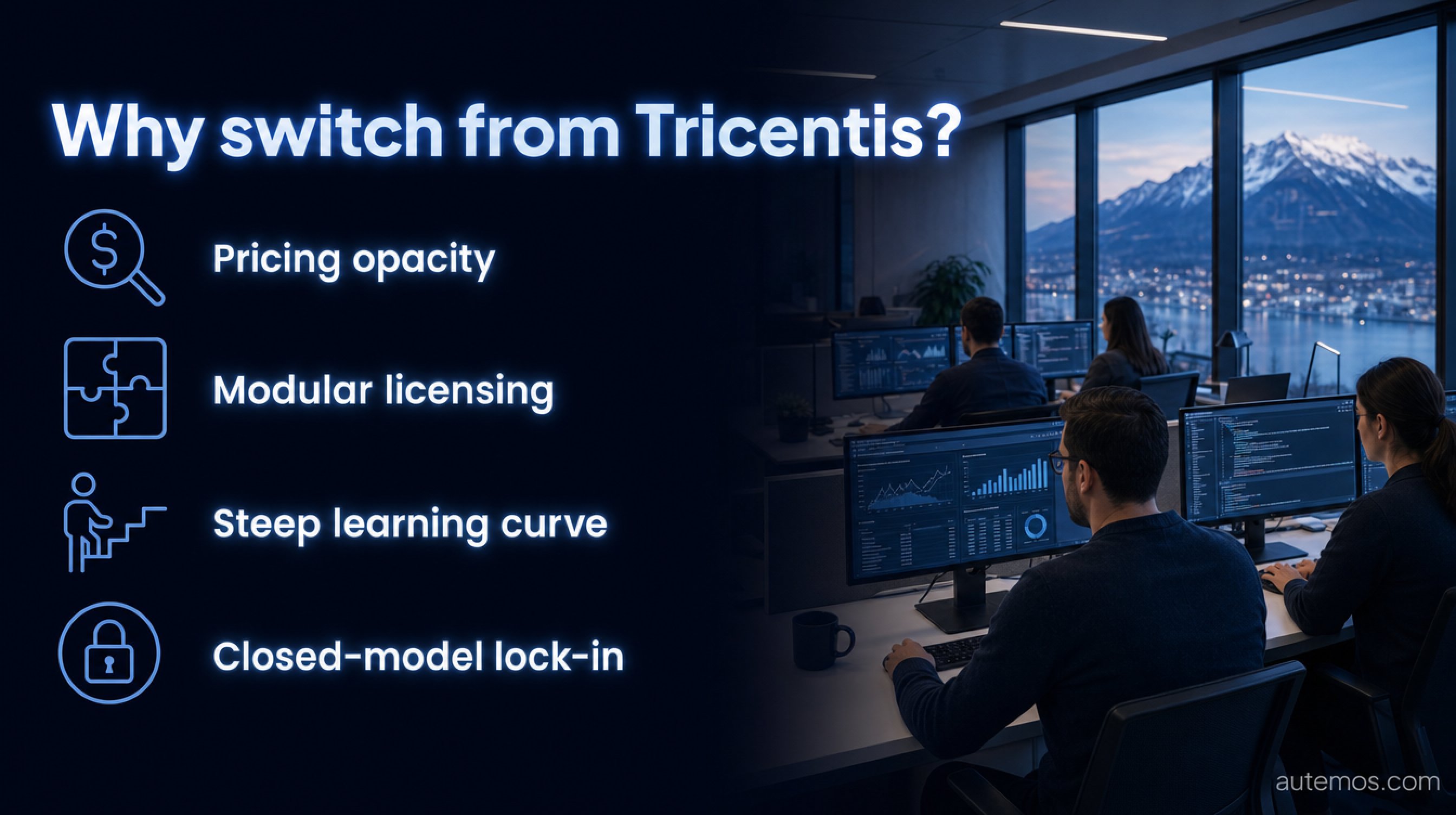
Figure 1: Four recurring reasons buyers switch away from Tricentis Tosca.
Why look for a Tricentis alternative?
The most common trigger is cost and missing pricing transparency: Tricentis publishes no pricing, and the official page is a request-a-quote form (Tricentis, 2025). Reviewers add high licensing cost and a steep learning curve as recurring friction points (G2, 2026; Gartner Peer Insights, 2026).
Four points come up again in buyer discussions. They stem from user reviews, not vendor claims:
Pricing opacity. No public price, no plan tiers. Every deal is negotiated, usually as an annual per-named- or per-concurrent-user subscription (Tricentis, 2025).
Modular licensing. Capabilities such as Vision AI, SAP or mobile are licensed separately per buyer reports, which makes total cost hard to plan (PeerSpot, 2025).
Learning curve. The model-based approach can feel overwhelming at first; poor initial modeling causes complexity later (Gartner Peer Insights, 2026).
Lock-in to the closed model. Test assets live inside the Tosca framework, which makes a later switch costly (buyer sentiment).
Tosca has clear strengths too. The suite covers 160+ technologies, including SAP, Oracle and Salesforce (Tricentis Tosca, 2025). Vision AI delivers self-healing via image recognition that even works for virtualized apps such as Citrix (Tricentis Vision AI, 2025). For large, heterogeneous SAP estates, Tosca stays a serious choice. The question is whether you need that breadth and want to pay for it.
The main Tricentis alternatives
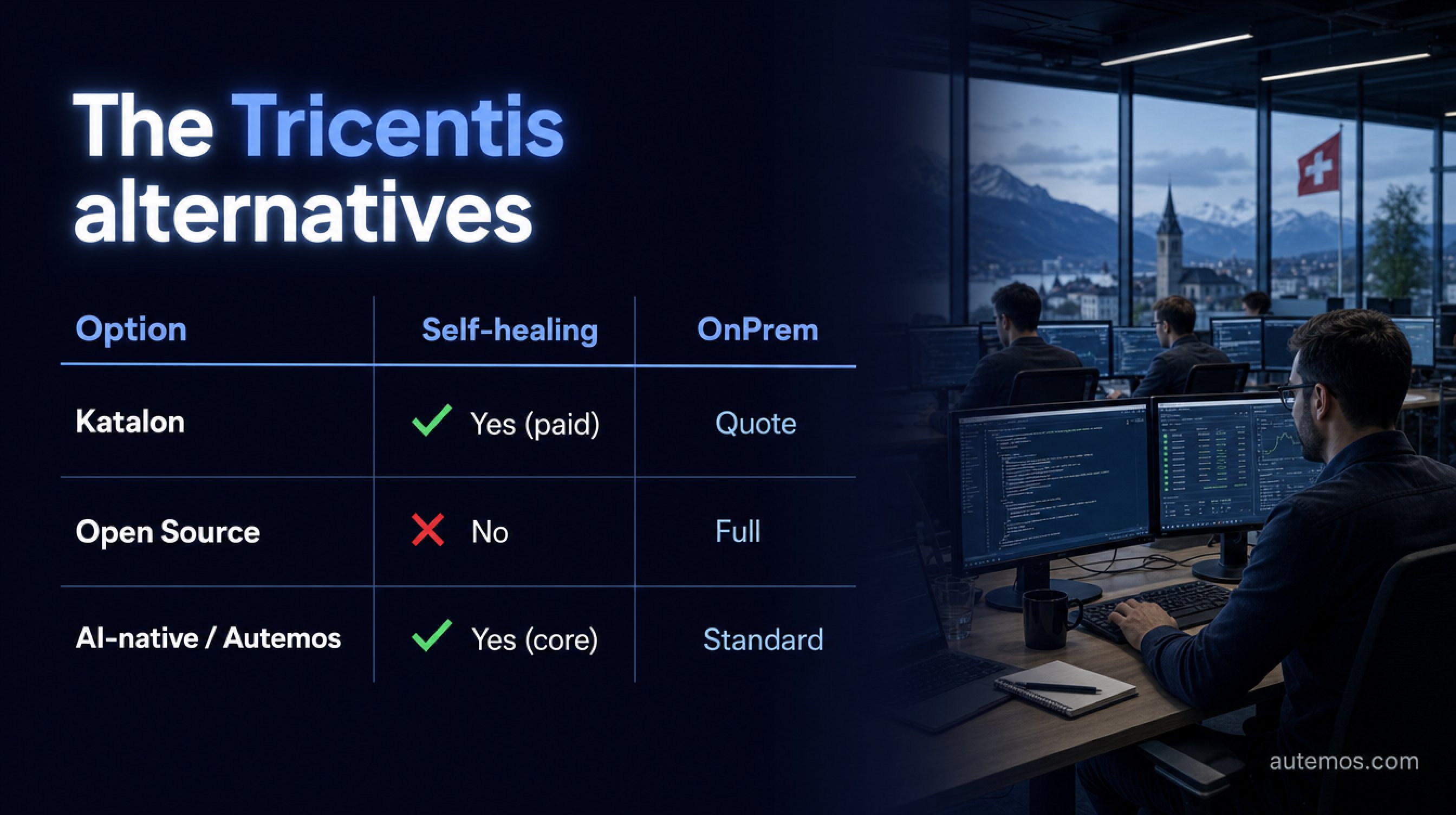
Figure 2: Shortlist comparison of the three realistic Tricentis alternatives.
There are three realistic routes away from Tosca: another commercial low-code suite (Katalon), open-source frameworks (Selenium/Playwright) or an AI-native tool (mabl, ACCELQ, Autemos). Gartner evaluated 10 vendors in the first Magic Quadrant for this market in 2025, a useful consideration set (Katalon on the 2025 Gartner MQ, 2025).
The table below ranks the three routes against the criteria that matter in regulated settings:
Option | Type | Self-healing | OnPrem / data residency | Ideal for |
|---|---|---|---|---|
Katalon | Commercial, low-code + scripting | Yes (paid True Automation tier) | Enterprise quote (Private SaaS) | Teams with budget who want low-code |
Open source (Selenium/Playwright) | Framework, code-based | No (build your own) | Full (self-hosted) | Engineering teams with scripting skills |
AI-native (mabl/ACCELQ/Autemos) | Platform, AI-driven | Yes (core feature) | Varies; Autemos: OnPrem standard | Maintenance reduction, fast creation |
Katalon
Katalon is a commercial low-code platform built on Selenium and Appium for web, API, mobile and desktop (Katalon, 2025). Pricing is public: True Platform around $900 and True Automation around $2,500 per seat/year, with self-healing and AI scripting sitting in the paid True Automation tier (Katalon, 2025). Gartner named Katalon a Visionary in 2025 (Katalon, 2025). Reviewers note that the AI features are newer additions on a classic Selenium foundation (G2, 2026).
Open source (Selenium/Playwright)
Selenium and Playwright carry no license fee and give full control over hosting and data residency. Selenium/WebDriver is a W3C standard, a trust signal for regulated buyers who value vendor neutrality. The W3C specification describes it this way: "WebDriver is a remote control interface that enables introspection and control of user agents" (W3C WebDriver, 2018).
The cost is maintenance. Selenium ships no built-in auto-wait, a leading source of flakiness (Selenium docs, 2026). The official documentation states: "WebDriver drives a browser natively, as a user would, either locally or on a remote machine using the Selenium server" (Selenium docs, 2026). Teams weighing this route find the detail in our comparison of Selenium alternatives.
AI-native (mabl / ACCELQ / Autemos)
AI-native tools offer self-healing and natural-language test creation as core features. Gartner expects 80 percent of enterprises to use AI-augmented testing tools by 2027, up from around 15 percent in early 2023 (Gartner via Katalon, 2025).
Autemos is an AI-native test automation tool where OnPrem is standard rather than an enterprise add-on, with a full audit trail, RBAC and mTLS. Self-healing uses its own stability logic first, an LLM only as a fallback; every heal is documented and reversible. Autemos exports real Playwright and Appium code, so tests run outside the platform and no lock-in forms. More on this in our guide to AI test automation.
Selection criteria for regulated and enterprise environments

Figure 3: Six selection criteria for regulated and enterprise environments.
In regulated settings, auditability and data control decide the tool choice. DORA (EU Regulation 2022/2554) has required financial institutions to test system resilience regularly and auditably since 17 January 2025 (UBS Hainer on DORA, 2025). That moves tools with a complete audit trail and repeatable automation to the front.
Check these criteria in an enterprise selection:
Audit trail. Who changed and ran which test, and when? Complete, exportable, verifiable.
DORA and compliance evidence. Repeatable, documented test runs as evidence for resilience testing (UBS Hainer, 2025).
OnPrem / data residency. For Swiss banks, it matters whether data leaves the own data center. GDPR effectively bars real production data in test environments (Redgate, 2025).
Self-healing and maintenance. How much does the tool cut rework on UI changes, and is the heal traceable?
TCO and licensing transparency. Are prices and modules plannable, or negotiated and modularly hidden?
No-code vs. code. Can business testers and engineers work on the same test base?
We advise mirroring these points against concrete regulation. Our posts on test automation in regulated banks and testing in regulated industries go deeper. A note on honesty: we found no FINMA-specific tool mandate in any primary source. Swiss banks operate under strict data-residency and auditability expectations that shape the OnPrem question, without any single tool being prescribed.
How to choose the right Tricentis alternative
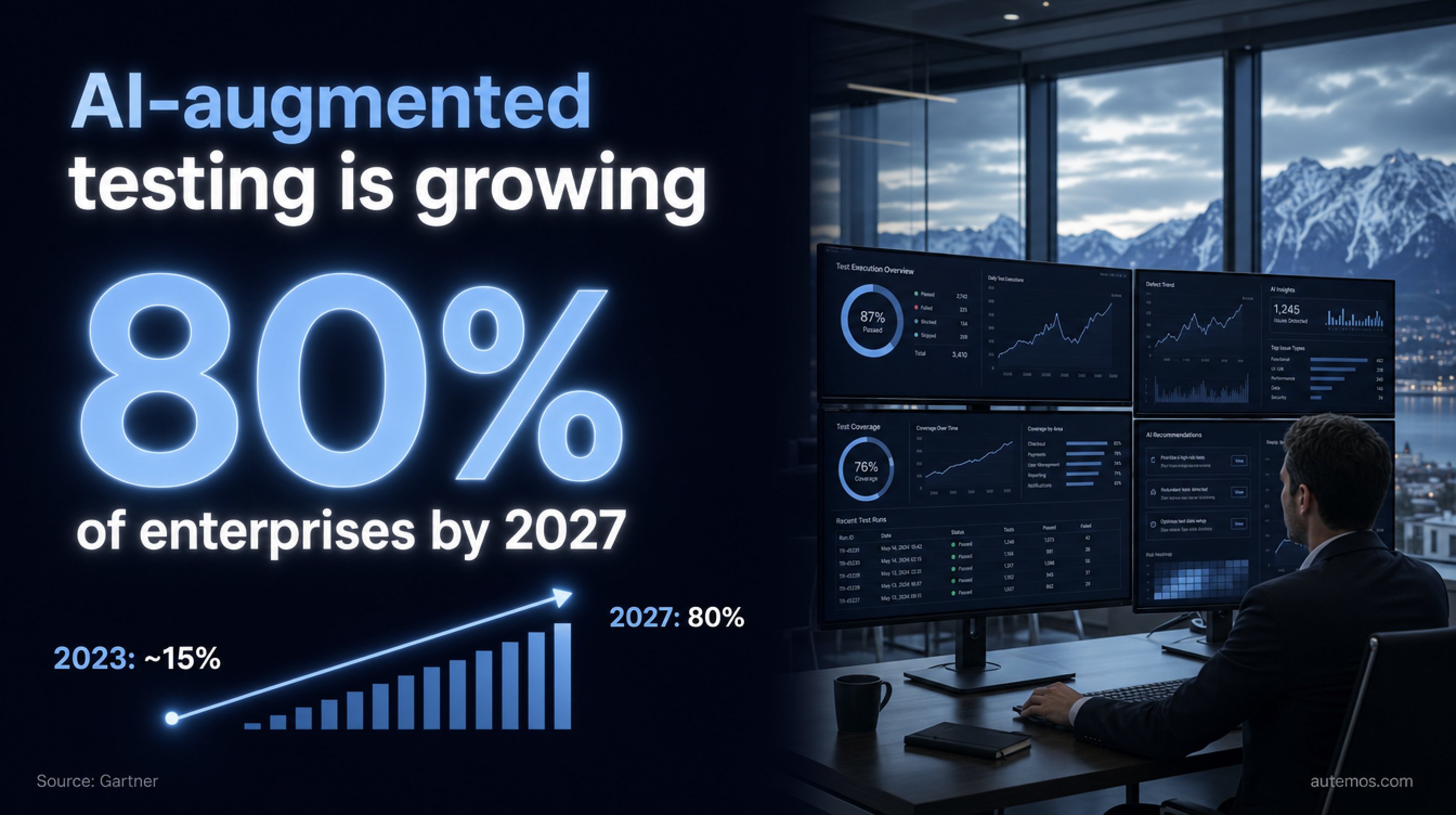
Figure 4: Gartner forecast for AI-augmented testing tool adoption by 2027.
The right pick depends on your environment: data residency, maintenance load and budget decide, not a leaderboard. Here is how to run the selection:
Settle the lock-in question first. If data residency and audit trail are non-negotiable, pure SaaS options without OnPrem drop out early.
Then weigh maintenance effort against licensing cost.
Match your starting position to one of the three directions below.
Three starting positions and the matching direction:
Large, heterogeneous SAP estate, budget available. Stay on an enterprise suite. Katalon or Tosca itself remain candidates; the reason to switch must justify the cost.
Strong engineering team, full control wanted. Open source (Playwright) plus your own CI. Count the maintenance effort honestly.
Maintenance load and creation speed are the problem, regulation is strict. An AI-native tool with OnPrem and audit trail. Autemos fits here, since OnPrem is standard and exported code avoids lock-in.
In client projects, selementrix sees roughly 70 percent lower licensing cost and about 80 percent less maintenance effort after a switch to the Selenium Toolkit. That is consultancy experience, not a product metric, but it works as an order of magnitude for the TCO calculation.
Frequently asked questions
What does Tricentis Tosca cost?
Tricentis publishes no pricing. The official pricing page is a request-a-quote form with no numbers or plan tiers (Tricentis, 2025). Licensing is quote-based, usually an annual per-user subscription and modular per capability. Third-party estimates circulate, but they are unverified and vary widely, so we quote no number here.
Is an open-source alternative cheaper than Tosca?
On license cost, yes; Selenium and Playwright are free (W3C WebDriver, 2018). Total cost depends on maintenance: without built-in auto-wait, Selenium creates more flakiness and rework (Selenium docs, 2026). Count engineering time in the TCO, not just the license.
Which Tricentis alternative fits Swiss banks?
For banks, OnPrem, data residency and a complete audit trail matter. DORA has required auditable resilience testing since 17 January 2025 (UBS Hainer, 2025). AI-native tools with OnPrem as standard meet that, as does self-hosted open source. Pure SaaS options without data-residency control usually drop out.
Does Tosca offer self-healing?
Yes. Vision AI is Tosca's self-healing via image and UI recognition; tests adapt when elements move, even for virtualized apps such as Citrix (Tricentis Vision AI, 2025). Katalon and AI-native tools offer self-healing too; at Katalon it sits in the paid tier (Katalon, 2025).
Does an AI-native alternative avoid vendor lock-in?
Not automatically. What matters is whether the tool exports tests in an open format. Autemos, for example, exports real Playwright and Appium code, so tests run outside the platform. Check for each candidate whether artifacts stay locked in a closed format or are freely portable.
Conclusion
Tricentis Tosca is an analyst-rated enterprise suite with broad technology coverage and Vision AI self-healing. The reason for the alternative search is rarely the technology; it is the quote-based, non-public pricing and the lock-in to the closed model (Tricentis, 2025). Katalon stays the obvious commercial switch, open source the route for strong engineering teams, and an AI-native tool the answer to maintenance load. For regulated Swiss banks, OnPrem, audit trail and DORA evidence decide. If OnPrem, a full audit trail and exported code are your criteria, book a 30-minute Autemos demo. Bring your real test landscape, and we will run the switch through honestly with you.