·
8 min
Selenium Alternatives: The Best Options for 2026

Roman Kirchmeier - Autemos

Teams look beyond Selenium for concrete reasons. Selenium ships no built-in auto-wait. Engineers code explicit and implicit waits themselves, a primary source of flaky tests (Selenium docs, 2026). It bundles no test runner, so you add JUnit, TestNG or pytest yourself. On top of that come more boilerplate and higher maintenance overhead than modern tools carry. These points sit structurally in the WebDriver-Classic model, and they inspired the newer tools. Which options are worth it in 2026? This guide compares Playwright, Cypress, Katalon and AI-native tools honestly, with their strengths and their limits.
TL;DR: The strongest Selenium alternatives in 2026 are Playwright (auto-wait, a test runner, four languages), Cypress (strong developer experience for JS teams) and Katalon (low-code on a Selenium/Appium base). AI-native tools such as Autemos add self-healing. Selenium itself offers no built-in auto-wait (Selenium docs, 2026).
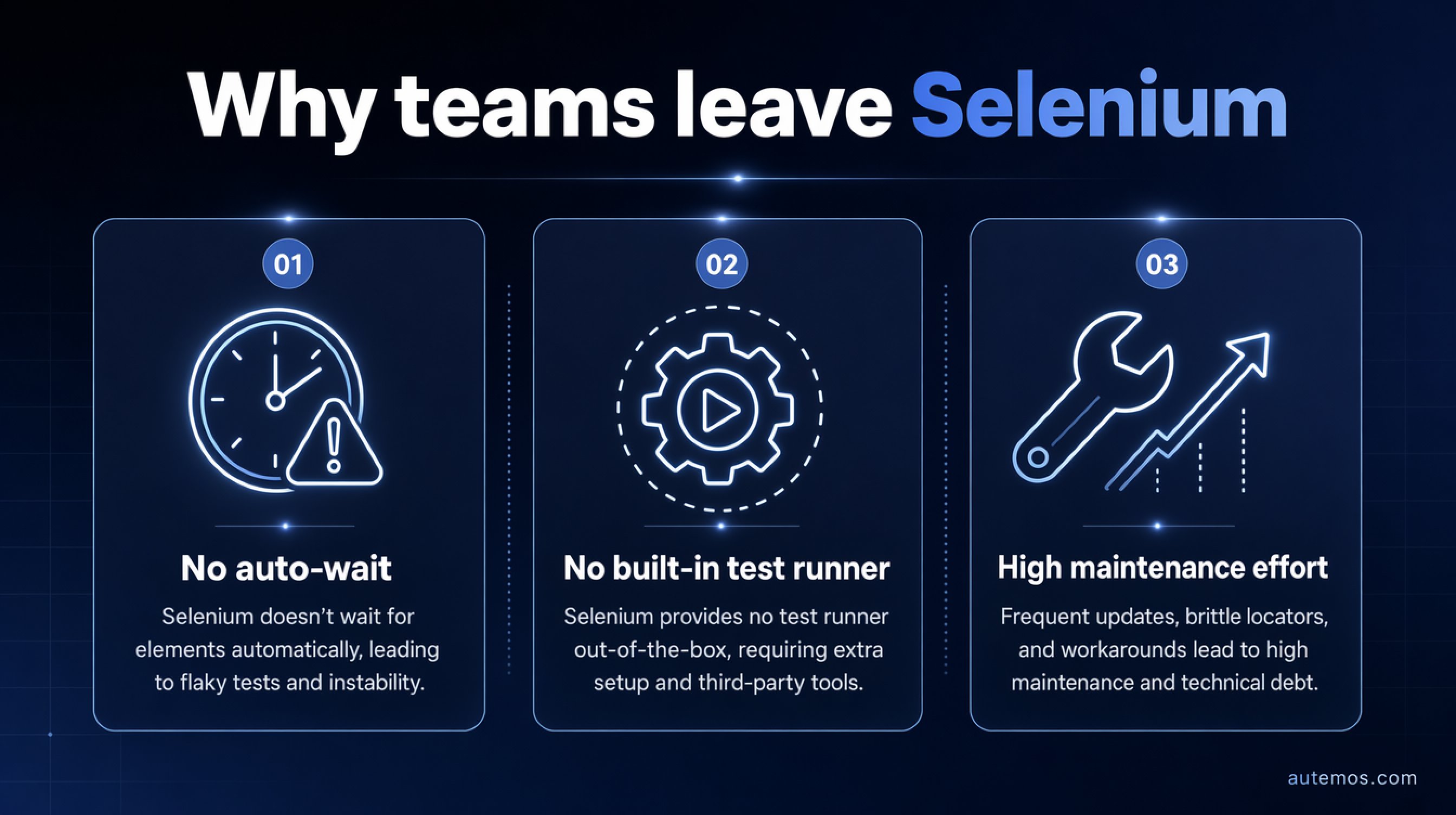
Figure 1: The three core reasons teams look for a Selenium alternative.
Why look for a Selenium alternative?
The most common reason is maintenance load from flaky tests. Selenium has no native auto-wait, so teams write manual waits, the classic source of flakiness (Selenium docs, 2026). A peer-reviewed industrial study puts the time spent dealing with flaky tests at least around 2.5% of productive developer time (ICST 2024, 2024).
The Selenium docs describe the control model like this: "WebDriver drives a browser natively, as a user would, either locally or on a remote machine using the Selenium server." That native control is powerful, but it needs your own wait logic and a separate test runner.
Selenium has real strengths that deserve a fair mention. WebDriver has been an official W3C standard since 5 June 2018 (W3C, 2018). The W3C specification states: "WebDriver is a remote control interface that enables introspection and control of user agents." That vendor neutrality is a strong trust signal for regulated Swiss and DACH banks, which favour standards over single-vendor lock-in.
Selenium offers five official language bindings (Java, Python, C#, Ruby and JavaScript), all at version 4.44.0 (Selenium Downloads, 2026). Selenium Grid runs tests in parallel across machines and browsers, and it stays actively maintained.
When is a switch worth it? When your team spends more time on wait logic and test repair than on writing new tests. Readers who want the root causes will find detail in our guide to self-healing locators against brittle tests and to cutting test maintenance with AI.
The best Selenium alternatives at a glance
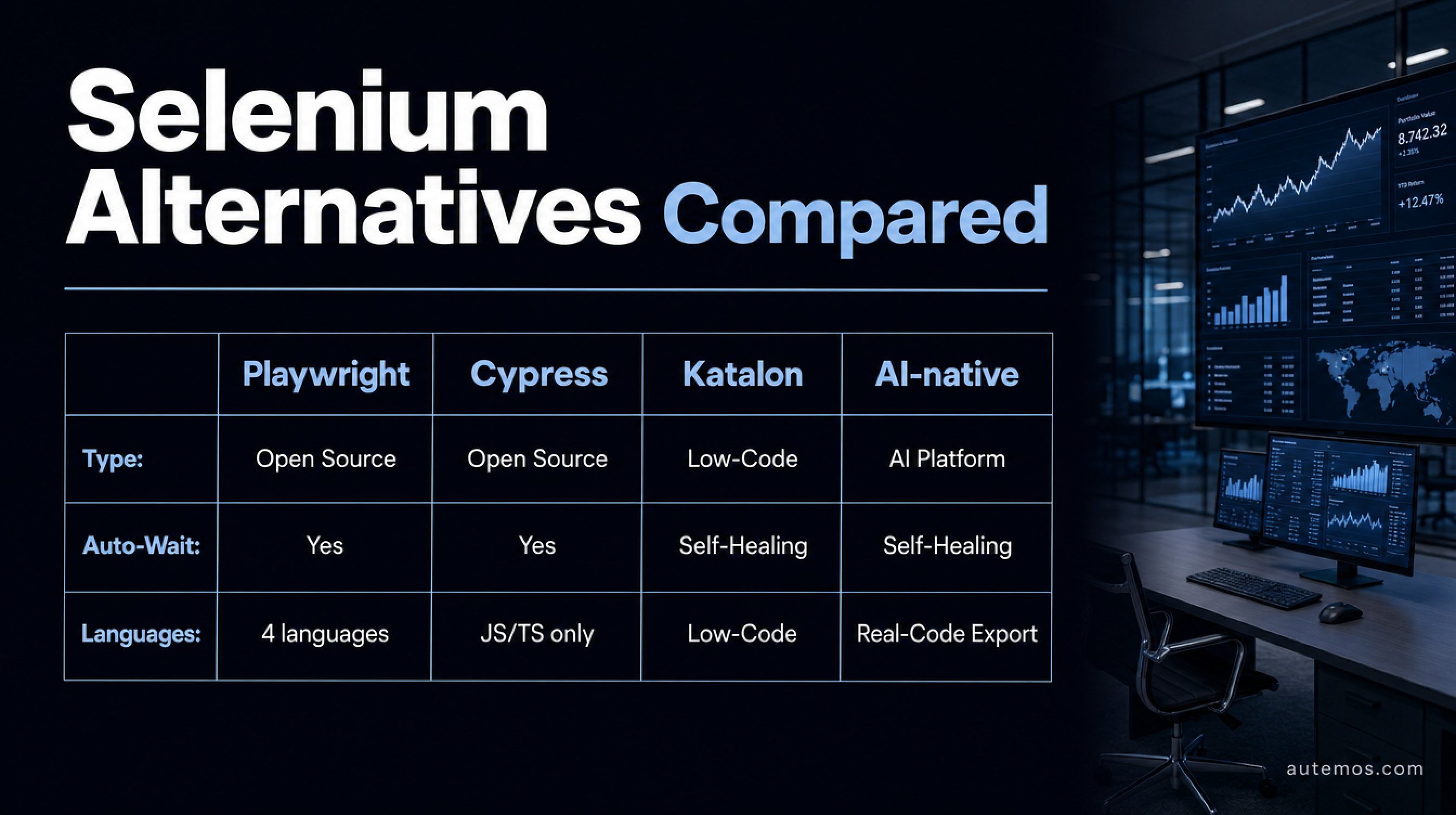
Figure 2: Playwright, Cypress, Katalon and AI-native side by side.
Four options cover most needs: Playwright and Cypress as open-source frameworks, Katalon as a commercial low-code tool, and AI-native platforms such as Autemos for self-healing. Playwright ships auto-wait and its own test runner (Playwright release notes, 2026). The table below sets the core differences side by side.
Tool | Type | Auto-wait / Self-healing | Languages | Ideal for |
|---|---|---|---|---|
Playwright | Open-source framework | Auto-wait native | JS/TS, Python, Java, .NET | Modern web teams, CI parallelism |
Cypress | Open-source framework | Auto-wait native | JavaScript/TypeScript only | JS front-end teams, strong debug DX |
Katalon | Commercial low-code tool | Self-healing (paid tier) | Low-code + Groovy | Mixed teams, web/API/mobile/desktop |
AI-native (Autemos) | AI platform | Self-healing with review | Real-code export (Playwright/Appium) | Regulated DACH teams, maintenance cuts |
Each option has a different focus. The short profiles below place them in context.
Playwright as a Selenium alternative
Playwright is the obvious alternative for code-based web automation. Microsoft announced the open-source framework in January 2020, built by the same core engineers who earlier created Google's Puppeteer (Wikipedia), 2026). The current stable version is Playwright 1.61, shipping Chromium 149, Firefox 151 and WebKit 26.5 (Playwright release notes, 2026).
The decisive difference from Selenium is auto-wait: Playwright waits for elements to be ready by default, which removes manual wait logic (Playwright release notes, 2026). It ships its own test runner and tests Chromium, Firefox and WebKit through a single API. The language bindings cover JavaScript/TypeScript, Python, Java and .NET. Extra tooling such as Trace Viewer and Codegen makes debugging easier.
One point for regulated buyers: Playwright is a single-vendor toolchain from Microsoft, not a vendor-neutral standard like WebDriver. The direct comparison sits in our post on Selenium vs. Playwright.
Cypress as a Selenium alternative
Cypress fits JavaScript front-end teams that value debugging. Cypress runs inside the browser, in the same run loop as the application under test, which gives deep access to app internals but constrains multi-tab and multi-origin scenarios (Cypress docs, 2026). Its strength is developer experience: real-time preview, time-travel debugging and a rich GUI test runner.
Two limits are worth knowing. Cypress supports JavaScript and TypeScript only, no other languages. And its WebKit/Safari support is experimental, not GA: it is enabled via `experimentalWebKitSupport: true` and reuses Playwright's WebKit build (Cypress docs, 2026). OAuth flows, multiple windows and some cross-domain scenarios need workarounds.
For CI parallelisation, Cypress relies primarily on the paid Cypress Cloud. Teams weighing Cypress against Playwright directly find the detail set out separately.
Katalon as a Selenium alternative
Katalon is the low-code alternative for mixed teams. The Katalon Platform builds on Selenium and Appium and spans web, API, mobile and desktop, with no-code, low-code and full scripting (Katalon pricing, 2025). Katalon was named a Visionary in the first Gartner Magic Quadrant for AI-Augmented Software Testing Tools in 2025 (published 6 October 2025, 10 vendors evaluated) (Katalon, 2025).
On AI features, one detail matters: StudioAssist for test generation and the AI-powered self-healing sit in the paid True Automation tier, not in the entry tiers (Katalon pricing, 2025). Prices run around 900 US dollars per seat per year for True Platform and around 2,500 US dollars for True Automation (as of 2025, billed annually).
An honest placement point from a reviewer's view: Katalon's AI features are layered on a traditional Selenium/Appium base, not a core-native AI architecture (G2, 2026).
AI-native tools and Autemos as a Selenium alternative
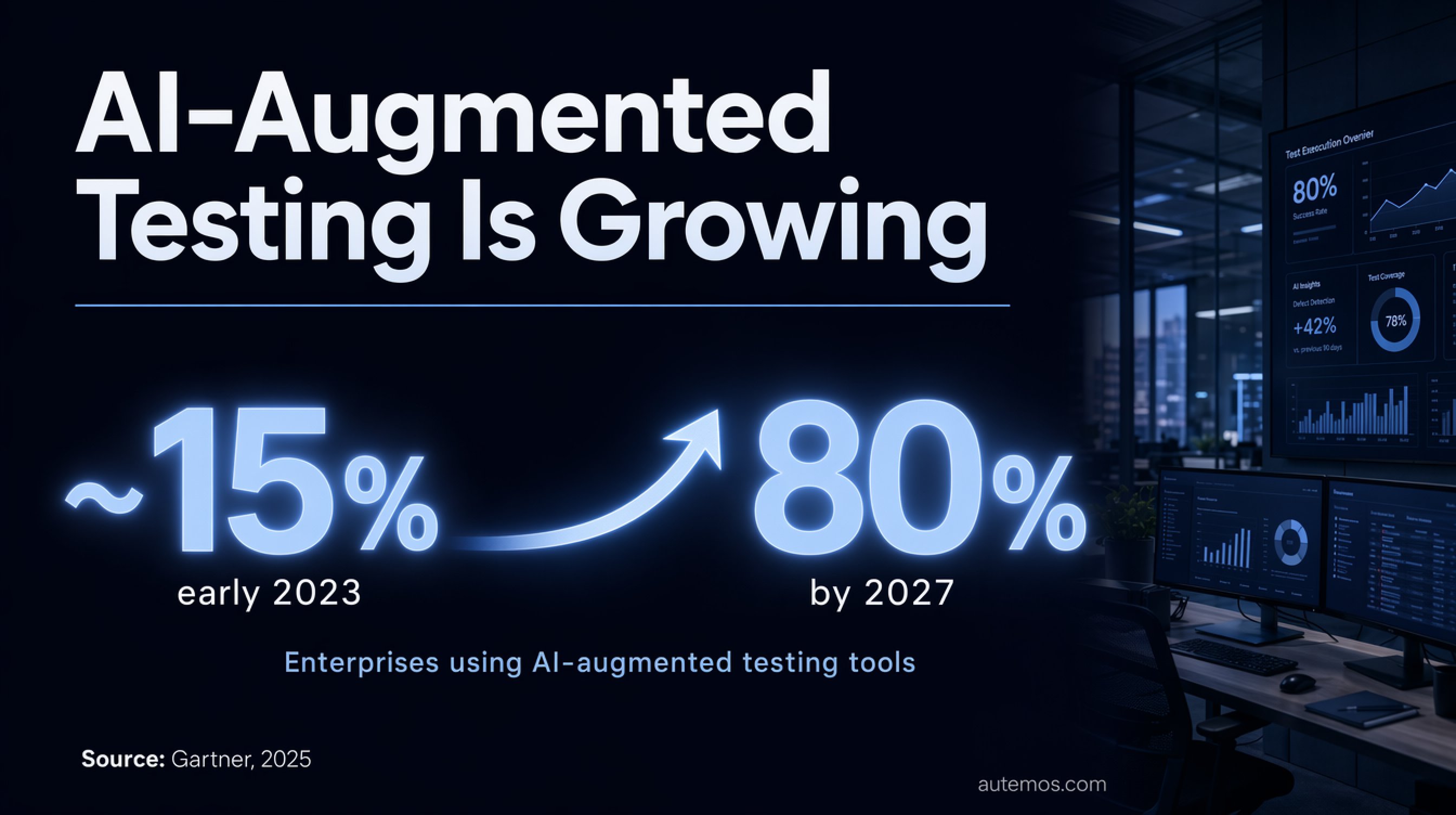
Figure 3: AI-augmented testing grows from around 15% to 80% by 2027 (Source: Gartner, 2025).
AI-native platforms add self-healing and AI-assisted test creation, an area where Selenium offers nothing comparable. Gartner forecasts that 80% of enterprises will integrate AI-augmented testing tools into their toolchains by 2027, up from around 15% in early 2023 (Gartner via Katalon, 2025). Autemos is an AI-native test platform focused on DACH and regulated industries.
The honest difference lies in the transparency of the self-healing. Autemos uses its own stability logic first and an LLM only as a fallback, and every heal is documented, reviewable and reversible, with no blackbox behaviour. The AI suggests changes, and the team approves them before a run (human-in-the-loop). One platform covers web, mobile, API and desktop.
Relevant for regulated teams: OnPrem is standard, plus RBAC, mTLS and a full audit trail, with no separate enterprise tier. In client projects, selementrix saw around 70% lower licence cost and around 80% less maintenance effort for a Selenium Toolkit client. More on the approach sits in our guide to AI test automation and on the self-healing feature page.
Migrating from Selenium
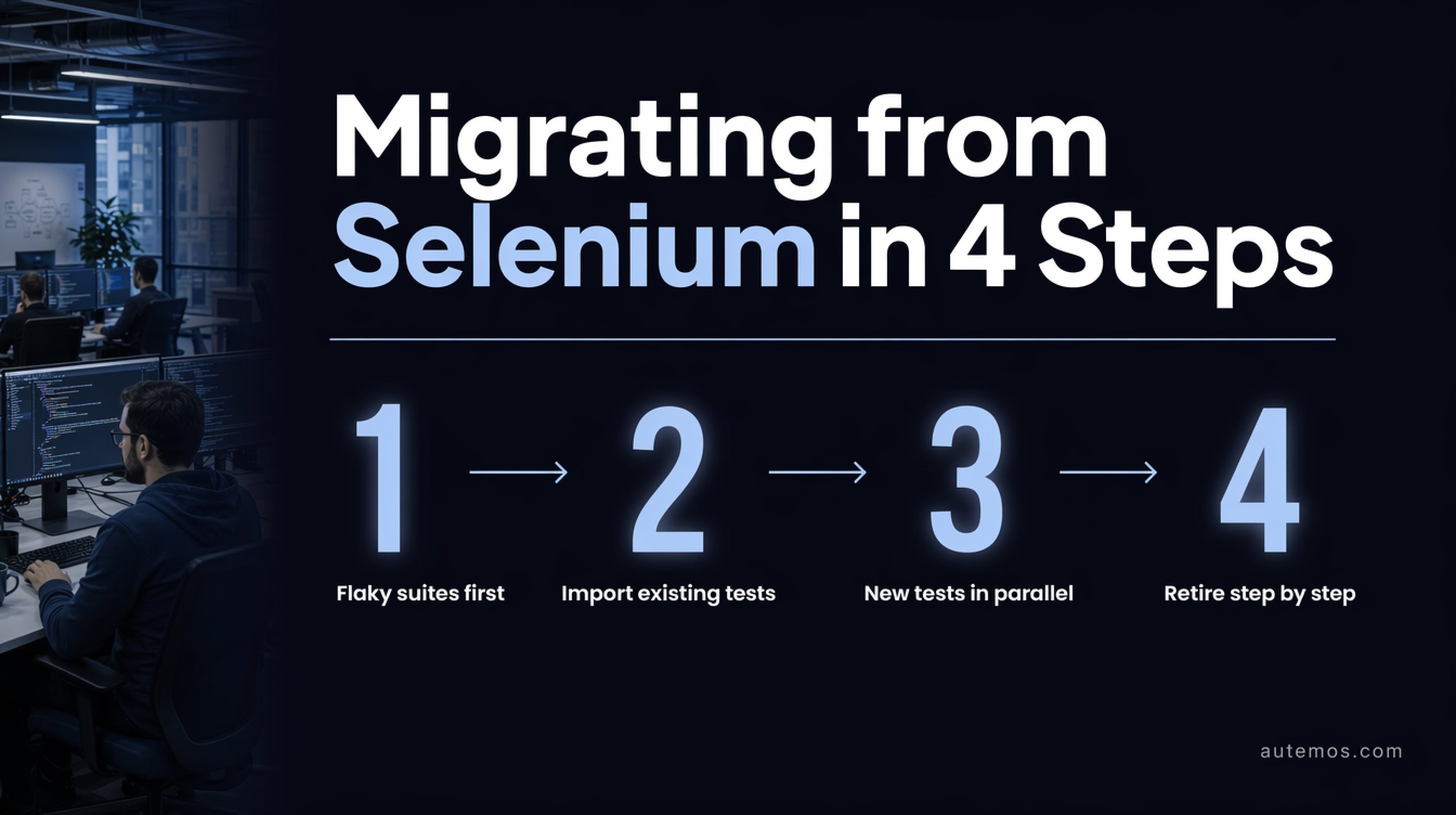
Figure 4: A low-risk migration path away from Selenium in four steps.
The biggest migration pain is the fear of vendor lock-in and of rewriting existing tests. This is where Autemos fits: the platform imports and reuses existing Playwright, Selenium and Appium tests, and it exports real Playwright (Java/TS) and Appium (Java) code that runs outside Autemos, with no lock-in (Feature: code generation).
A low-risk migration path follows four steps:
Do not move everything at once.
Start with the flakiest, most maintenance-heavy suites, since the payoff is largest there.
Keep Selenium for areas where W3C-standard portability counts.
Measure before and after the switch: flakiness rate, maintenance hours per sprint and CI run time.
A realistic path: keep existing Selenium tests running in parallel, write new tests in the target tool, and retire the old suite step by step, rather than a risky big-bang move.
How to choose the right alternative
The choice depends on your team, your stack and your compliance needs. These criteria help you decide:
Languages in the team: Pure JavaScript points to Cypress. Mixed languages point to Playwright or a low-code platform.
Auto-wait and stability: Playwright and Cypress wait natively. Self-healing comes from Katalon (paid tier) and from AI-native tools.
Test types: Web only suits Playwright or Cypress. Web plus mobile, API and desktop points to Katalon or an AI-native platform.
Code vs. low-code: Developer teams pick frameworks. Mixed QA teams gain from low-code.
Regulation and data residency: Swiss and DACH banks watch OnPrem, audit trail and vendor neutrality.
Lock-in: Check whether the tool exports real code or binds you to a proprietary format.
Cost transparency: Open source is free, commercial tools vary widely. Check total cost of ownership, not just the list price.
FAQ
What is the best Selenium alternative in 2026?
There is no single best option. For code-based web automation, Playwright is strong, with native auto-wait and its own test runner (Playwright, 2026). JS teams often pick Cypress. Mixed teams reach for Katalon or an AI-native platform with self-healing.
Why do teams move away from Selenium at all?
The main reason is maintenance load from flaky tests. Selenium has no native auto-wait, so teams write manual waits, a known source of flakiness (Selenium docs, 2026). The second reason is the missing built-in test runner.
Is Selenium still relevant in 2026?
Yes. WebDriver has been a W3C standard since 2018, offers five language bindings and Grid for parallel execution (W3C, 2018). That vendor neutrality is valuable for regulated buyers in particular. Selenium stays widely deployed.
Do I have to rewrite all tests when I switch?
No, not necessarily. Some platforms import existing Selenium, Playwright and Appium tests and export real code. Autemos, for one, reuses existing tests and outputs Playwright and Appium code that runs outside the platform.
What does self-healing mean in a Selenium alternative?
Self-healing adjusts locators automatically when UI elements change, which cuts maintenance load. Katalon offers it in the True Automation tier (Katalon, 2025). AI-native tools such as Autemos make every heal reviewable and reversible.
Conclusion
The right Selenium alternative depends on your context. Playwright is strong for code-based web teams, thanks to native auto-wait and its own test runner. Cypress fits JavaScript teams focused on debugging. Katalon covers mixed teams across web, API, mobile and desktop, with self-healing in the paid tier. AI-native platforms such as Autemos add transparent self-healing, real-code export and OnPrem operation for regulated DACH teams. Selenium itself stays relevant, mainly for its W3C-standard status. Anyone weighing an option should balance languages, test types, maintenance cost and compliance. Compare further in our overview of test automation tools 2026 or the Tricentis alternative. For a specific need, you can book a 30-minute Autemos demo.