·
10 min
Better Test Data. Smarter Test Automation. Introducing the Autemos & Synthesized Partnership

Roman Kirchmeier - Autemos
Autemos and Synthesized are partnering to bring AI-powered test automation and intelligent test data management together. Synthesized generates, masks, subsets and provisions realistic datasets. Autemos uses that data to run data-driven automated tests across web, mobile and API applications. The goal: the right data is available at the right time, for every automated test run.
TL;DR: Autemos (AI-powered test automation) and Synthesized (test data management) are joining forces. Synthesized prepares realistic, privacy-safe datasets with intact relationships, and Autemos runs data-driven tests against it and checks the results. The partnership starts today; a 2-minute live demo shows the first joint workflow, and specific integration capabilities will follow step by step.
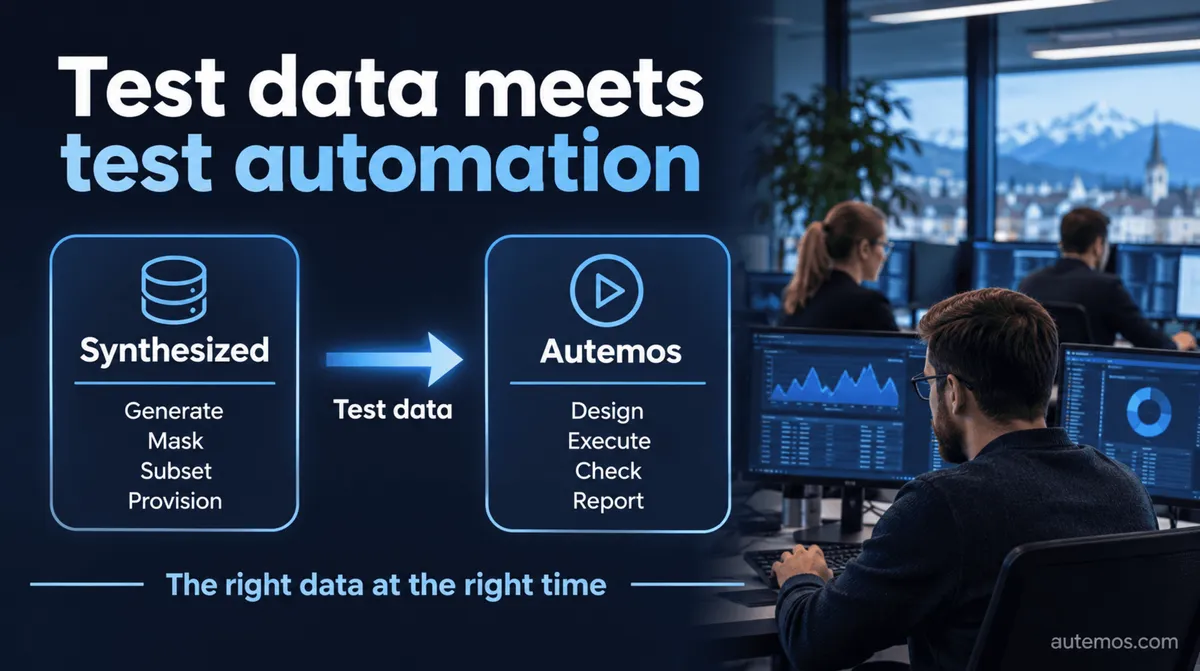
Figure 1: How test data from Synthesized flows into test automation with Autemos
Organizations have invested heavily in automating test creation and execution. One problem has stayed: making sure the right data is there when a test needs it. Even the most sophisticated test automation is only as effective as the data behind it.
With this partnership, Autemos and Synthesized combine the strengths of both platforms and move toward a testing process in which test data and test execution are planned together.
Why is test automation only half the story?
Test automation covers the test steps, and the test still depends on data that automation alone does not produce. Modern tools generate test cases, automate complex business processes, execute tests across several technologies and deliver detailed results. What happens when the data is missing, outdated, inconsistent or does not represent the scenarios you need to test?
Take a banking application where an automated test checks a loan approval process. The test itself may work perfectly. It moves through the application, enters the required information, submits the application and checks the result.
To test the process properly, you need different customer profiles, income levels, credit histories, loan amounts and risk classifications. Some scenarios require customers with excellent credit ratings. Others need borderline applicants, missing information, unusual financial circumstances or specific combinations of business conditions.
Creating and maintaining these datasets by hand quickly turns into a significant effort. In banking, insurance, healthcare or ERP environments it gets harder still, since data is spread across multiple systems and interconnected databases. Our guide to test data management covers the basics.
Common challenges include:
Limited test coverage: tests focus on the few datasets that exist, and a broad range of meaningful business scenarios goes untested.
Manual preparation: teams spend working time creating, modifying and restoring test data.
Data dependencies: relationships between customers, accounts, contracts, transactions and other business entities make test data hard to manage.
Privacy and compliance: sensitive production information cannot simply be copied into test environments without appropriate protection (see GDPR-compliant test data).
Unreliable execution: missing or inconsistent data makes tests fail even when the application works correctly.
Limited scalability: parallel and continuous test execution needs repeatable access to independent, isolated datasets.
These challenges get more visible as test automation grows. The result is familiar: organizations automate more tests and still depend on manual work to prepare the conditions those tests need. The preparation of the data that makes a test meaningful has to be automated too.
How does data-driven test automation work?
Data-driven test automation separates the test logic from the test data. The automated workflow defines what is tested, and the data determines which scenarios run. Teams no longer write a separate test case for every combination of input values.
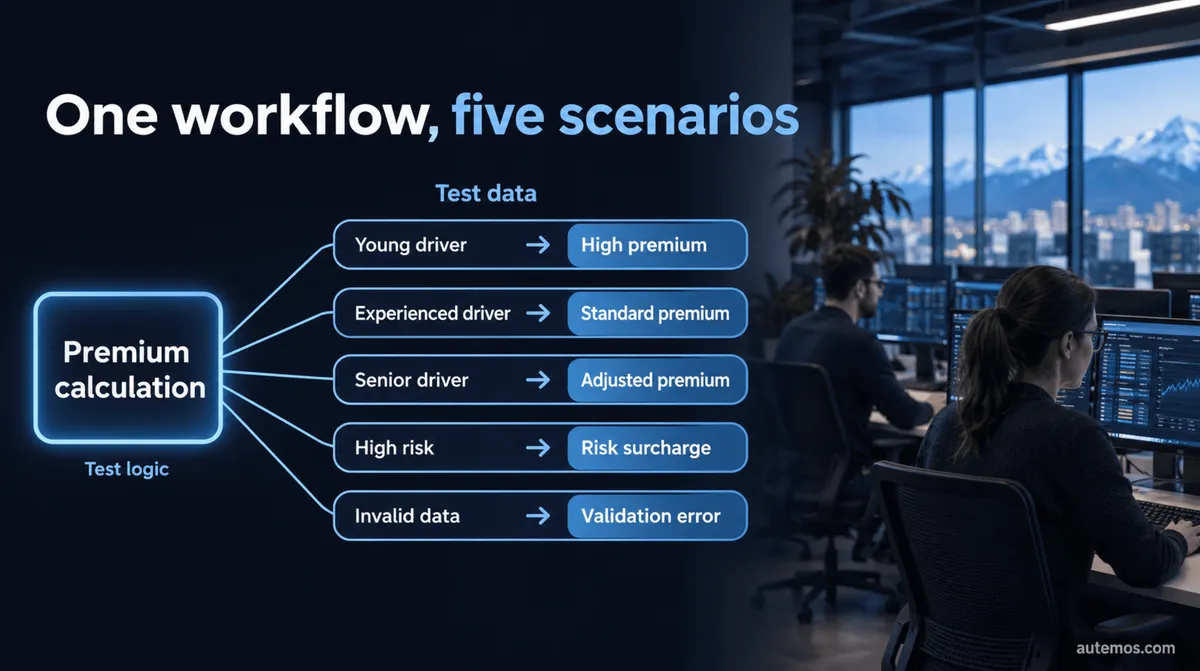
Figure 2: Data-driven testing using an insurance premium as an example
Take an insurance premium calculation. A traditional approach needs individual test cases for young drivers, experienced drivers, different vehicle types, several coverage levels and special risk categories. With data-driven testing, you design the calculation workflow once and run it repeatedly with different datasets.
Customer | Vehicle | Coverage | Expected result |
|---|---|---|---|
Young driver | Sports car | Full | High premium |
Experienced driver | Family car | Full | Standard premium |
Senior driver | Electric car | Partial | Adjusted premium |
High-risk driver | Sports car | Full | Risk surcharge |
Invalid customer data | Any | Any | Validation error |
Illustrative test scenarios. Actual expected results must be calculated from the application's business rules.
One automated workflow, several business scenarios: coverage grows without duplicating the underlying automation.
Why does data-driven testing matter?
Greater test coverage: different datasets let the same workflow check normal business scenarios, boundary conditions, negative cases and unusual combinations that would otherwise be missed.
Less maintenance: when a business process changes, you update the workflow in one place and skip the dozens of similar test scripts.
Faster test creation: new scenarios come from additional datasets, with no new automation logic.
Better scalability: the approach pays off most in regression testing, where the same business processes run again and again across many scenarios and releases.
Improved collaboration: business analysts and testers focus on relevant scenarios and expected outcomes, and automation engineers maintain the reusable workflows.
What does data-driven testing still need?
Separating test logic from test data is an important step. It does not solve the problem of getting high-quality data. If the datasets are unrealistic, incomplete, unavailable or hard to maintain, even a well-designed data-driven framework will struggle.
Data-driven testing creates the demand for test data. Intelligent test data management makes it possible to meet that demand at scale.
This is where Synthesized comes in.
How do Autemos and Synthesized work together?
Autemos automates the tests, and Synthesized provides the data those tests need. The two companies approach software quality from complementary directions.
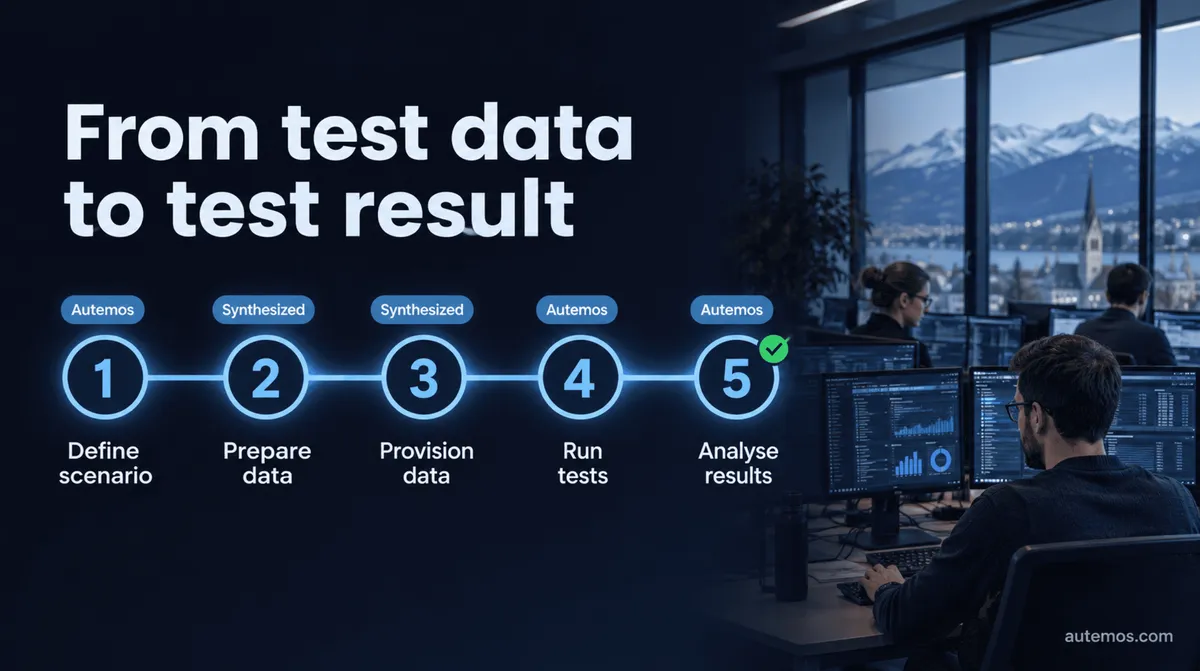
Figure 3: The joint Autemos and Synthesized process in five steps
Autemos lets teams design, maintain, schedule and execute automated tests across web, mobile and API applications. Its AI-assisted capabilities, the visual workflow editor, reusable components and data-driven execution help teams build automation that grows with their applications.
Autemos already supports test data handling, including datasets, variables, external data sources and runtime bindings. Synthesized adds specialized capabilities for generating, protecting and provisioning realistic datasets. Through the partnership, we bring these capabilities together so test automation reaches more scenarios and is easier to scale.
From test data preparation to automated execution
The integration follows one idea: prepare the right data, execute the right tests, check the right outcomes. The 2-minute live demo shows Synthesized generating privacy-safe data and Autemos using it in an automated test workflow.
A future integrated testing process could look like this:
Define the test scenario in Autemos. Create an automated business workflow and identify the data it needs to run.
Prepare test data with Synthesized. Generate, mask or provision suitable datasets, with the relationships and constraints the application needs kept intact.
Make the data available for execution. Provide the data in the target environment or through supported data interfaces.
Execute data-driven tests with Autemos. Run the automated workflow against the prepared scenarios and check the expected results.
Analyse the outcomes. Review execution results, find defects and keep improving test coverage.
The goal is to connect test data provisioning and test execution in one coordinated automation process. This matters most for organizations with large regression suites, continuous integration pipelines or complex E2E business processes.
The partnership and the integration initiative are being announced now. Specific integration capabilities will be communicated as they become available.
What does Synthesized bring to test data management?
Synthesized is a test data management platform that provides realistic, reliable and privacy-conscious data when development and testing teams need it. Unlike simple random data generators, it works with complex enterprise data structures, business relationships and realistic distributions. That pays off in environments with sophisticated data models and strict compliance requirements.
Realistic synthetic data generation
Synthesized generates synthetic datasets that reflect important characteristics of real-world data. Teams test realistic business scenarios without relying only on copies of production data, and they get data for scenarios that are rare or completely absent from production. Our article on generating test data compares synthetic data, masked production copies and manual data.
Sensitive data protection
Using production data for testing brings privacy and compliance risks. Synthesized supports data masking that protects sensitive information and keeps useful characteristics and relationships for testing. According to Synthesized, "masked values stay consistent across systems, so joins and end-to-end tests still work" (Synthesized, 2026). For regulated industries, where personal and financial information needs careful handling, this is a core requirement.
Referential integrity and complex data relationships
Enterprise applications rarely work on isolated records. An insurance customer may have several policies, claims, beneficiaries and payment transactions. A banking customer may have accounts, loans, cards and a financial history.
Synthesized preserves referential integrity and relationships across connected tables, so datasets stay usable for complex E2E testing.
Efficient data subsetting
Test environments rarely need the entire production database. Synthesized creates smaller, representative datasets and keeps the relevant relationships. That cuts the data volume for development and testing and keeps the structure meaningful scenarios depend on.
Automated data provisioning
Modern quality engineering needs test data continuously, from the first test run to the last. Synthesized supports automated data workflows and API-based provisioning, so data preparation fits into broader engineering processes. At Deutsche Bank, Synthesized reports 80% less time to provision test data (Synthesized case study, 2026). The result is a stronger base for continuous testing and more reliable test environments.
What does Autemos plus Synthesized mean for QA teams?
The combination covers 2 requirements of modern quality engineering: Synthesized makes sure meaningful data is available, and Autemos turns that data into automated checks of real business processes.
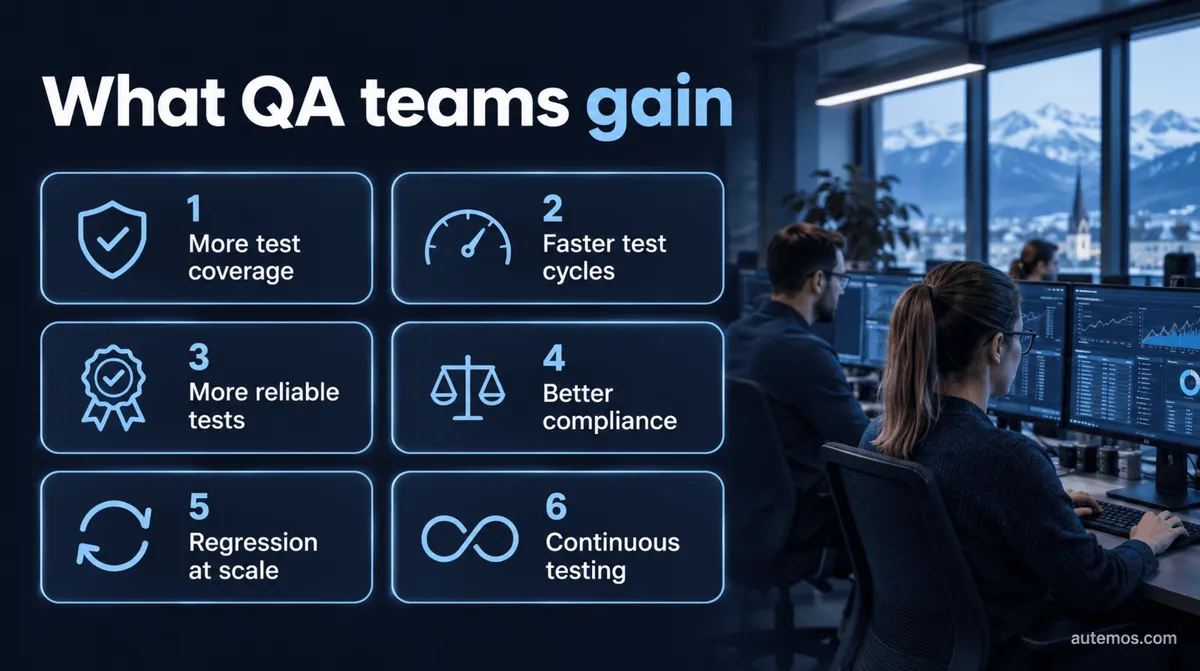
Figure 4: What QA teams gain from combining test data and test automation
Autemos | Synthesized |
|---|---|
AI-assisted test authoring | Synthetic test data generation |
Visual and code-based workflows | Data masking and privacy protection |
Data-driven test execution | Realistic data distributions |
Web, mobile and API automation | Preservation of data relationships |
Test scheduling and execution control | Automated data provisioning |
Test execution and reporting | Data subsetting and preparation |
For quality engineering teams, this means:
More meaningful test coverage. Reusable automation combined with realistic, diverse datasets checks more business scenarios without a steady stream of new test scripts.
Faster testing cycles. Automated data preparation cuts manual dependencies and gets test environments ready when automation needs to run.
More reliable automated tests. Consistent, properly prepared datasets reduce failures caused by missing records, wrong dependencies or unexpected environment conditions.
Improved compliance. Synthetic data generation and masking reduce the use of sensitive production information in non-production environments.
Regression testing at scale. Reusable workflows and systematically prepared datasets support larger regression suites and repeated runs across releases and environments.
A stronger base for continuous testing. With test data preparation closer to test execution, automated quality checks become part of the delivery pipeline.
Where is intelligent test automation heading?
The next step in test automation is an intelligent testing process in which test scenarios, data, execution and analysis work together. Generating more test scripts or running tests faster covers only part of it.
AI-assisted test automation makes automated workflows easier to create and maintain. Intelligent test data management makes sure those workflows run under meaningful, realistic conditions. Together, these capabilities give software testing a base that is broader, more reliable and ready to grow.
With Autemos and Synthesized, we bring test automation and test data management closer together.
Great test automation deserves great test data.
We look forward to sharing more about the integration and the opportunities it creates for our customers.
Frequently asked questions
What is the Autemos and Synthesized partnership?
The partnership connects Autemos, an AI-powered test automation platform, with Synthesized, a test data management platform. Synthesized prepares realistic, masked or synthetic data, and Autemos runs data-driven automated tests with it. Both companies announced the partnership in November 2026 together with a first joint live demo.
How does test automation differ from test data management?
Test automation executes test steps and checks results automatically. Test data management plans, creates, protects and provisions the data those tests run on. Autemos covers the first part, Synthesized the second. A data-driven test needs both: a reusable workflow and suitable datasets for every scenario.
Does Autemos generate or mask test data itself?
No. Autemos manages test data inside the automation: datasets, variables, external data sources and runtime bindings. Generating synthetic data, masking sensitive production data and subsetting databases are Synthesized capabilities. The partnership combines both so teams don't have to build that link themselves.
Is the integration available today?
The partnership and the integration initiative start now. The 2-minute live demo shows Synthesized-generated data used in an automated Autemos workflow. Specific integration capabilities will be communicated as they become available. For early access or a joint demo, contact the Autemos team.
Which teams benefit most?
Teams with complex data models and strict compliance requirements benefit most, for example in banking, insurance, healthcare or ERP projects. The same goes for organizations running large regression suites or tests in CI pipelines, where every run needs fresh, independent and consistent test data.
About Autemos and Synthesized
Autemos is an AI-assisted test automation platform that helps organizations create, maintain and execute automated tests across web, mobile and API applications. With visual workflows, AI-powered capabilities, data-driven testing and code-based flexibility, teams scale automation and keep transparency and control. Learn more at www.autemos.com.
Synthesized provides intelligent test data management and helps organizations generate, mask, subset and provision realistic datasets for development and testing. Its technology supports complex data structures, privacy-conscious data handling and automated data workflows. Learn more at www.synthesized.io.
Want to see how Autemos and Synthesized fit into your test setup? Book a demo with the Autemos team.